Living in a smaller rental property doesn't mean you have to compromise on comfort or style. Whether you're renting a studio flat, a compact apartment or a house with limited storage, a few thoughtful changes can help you make the most of the space you have.
The key is to create a home that feels light, organised and practical without making permanent alterations or spending a fortune. Here's 8 ideas of how to achieve this.
1. Make the most of natural light
Natural light can make a room feel more open and inviting, so try to let as much of it in as possible.
Keep windowsills relatively clear and avoid placing bulky furniture directly in front of windows. Hanging curtain rails higher and wider than the window frame, where existing fittings and your landlord's permission allow, can also help windows appear larger.
2. Choose a light and consistent colour scheme
Lighter colours can help reflect daylight and create a sense of openness, particularly in rooms with limited natural light.
As a renter, you can introduce colour through cushions, bedding, rugs, artwork and accessories without painting the walls.
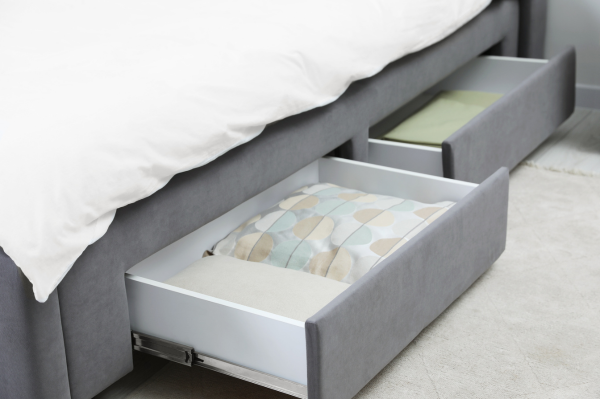
3. Choose furniture that serves dual purpose
Choosing fewer, well-proportioned pieces can help your home feel less crowded while still giving you everything you need. Consider furniture that serves more than one purpose, such as:
- A bed with built-in drawers.
- An ottoman that doubles as storage and extra seating.
- A dining table that folds away when not in use.
- Nesting tables that can be separated when you have guests.
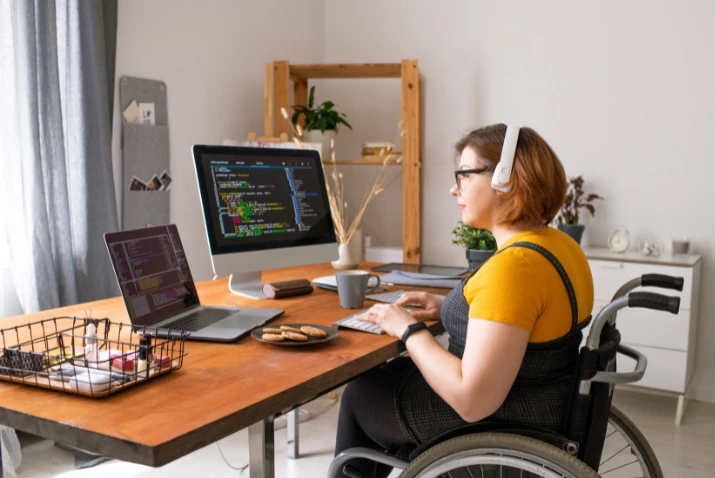
- A desk that can also function as a dressing table.
4. Use mirrors to create a sense of space
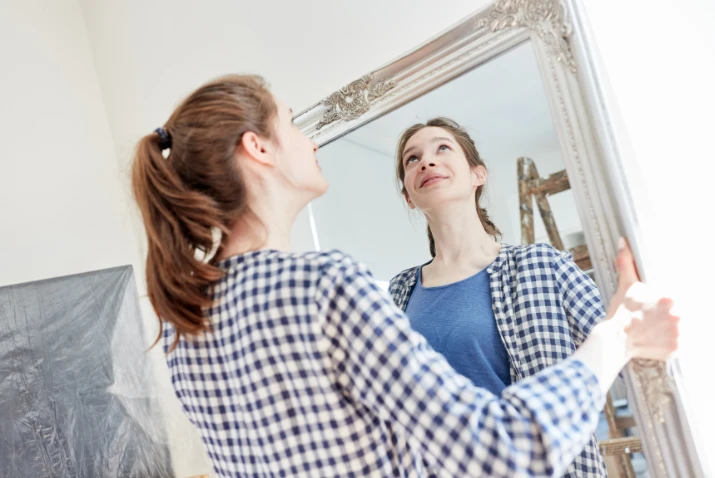
Mirrors can make a room feel brighter and more spacious by reflecting light and creating the impression of additional depth.
A large freestanding mirror can work particularly well in a bedroom or hallway, while a smaller mirror may help brighten a darker corner.
Think carefully about what the mirror reflects. Positioning one opposite a window or a pleasant view can help make the most of the effect.
If you want to hang a mirror on the wall, check your tenancy agreement and ask your landlord or letting agent for permission where necessary. Freestanding mirrors offer a useful alternative if you want to avoid drilling holes.
5. Make use of vertical storage
When floor space is limited, look upwards.
Vertical storage can help you keep everyday belongings organised without filling the room with additional furniture. Depending on your layout, you could use tall bookcases, over-door organisers, freestanding shelving or stackable storage boxes.
Make use of the space under your bed, too. Storage containers are ideal for spare bedding, seasonal clothing and items you don't need every day.
In the kitchen, drawer organisers, cupboard racks and wall-mounted accessories can help make better use of the space available, although you should obtain permission before installing anything that requires drilling or permanent fixtures.
The aim is to give everything a home, making it easier to keep surfaces clear.
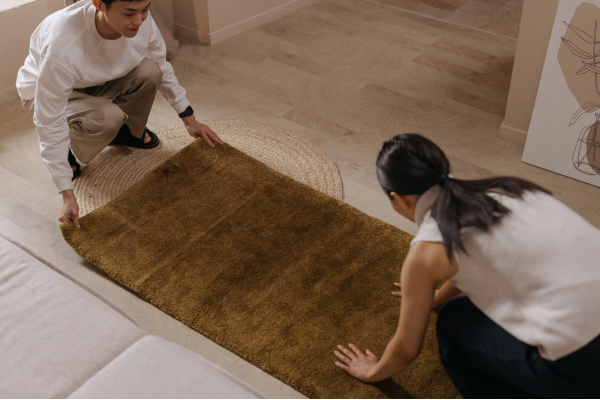
6. Use rugs to define different areas
If you live in a studio flat or an open-plan property, it can be difficult to make different areas feel distinct.
Rugs can help create separate zones without adding walls or bulky furniture. For example, a rug beneath a coffee table can define your living area, while another beneath a dining table can distinguish the eating space.
You can use the same approach with lighting and furniture placement. A floor lamp beside an armchair creates a reading corner, while a small desk and chair can establish a dedicated workspace.
Try not to divide the room into too many sections, though. Keeping clear pathways between areas will help the space feel connected and easy to navigate.
7. Get your lighting right
Good lighting can transform how a small room feels, particularly during autumn and winter when daylight hours are shorter.
Rather than relying entirely on one central ceiling light, consider using several smaller light sources around the room. Table lamps, floor lamps and suitable plug-in lights can create a softer, more layered effect.
Warm lighting can make a living room feel cosy, while brighter task lighting is useful for working, reading and preparing food.
Choose appropriately sized lamps so they don't take up too much room, and keep cables tidy to avoid creating trip hazards.
If you want to change existing light fittings or make electrical alterations, speak to your landlord or letting agent first and use a qualified professional where appropriate.
8. Make outdoor space feel like an extension of your home
If your rental property has a balcony, patio or garden, making use of it can give you an additional area to relax without needing more indoor space.
A compact bistro set, foldable chairs or a few pots of plants can help turn a small outdoor area into somewhere you'll want to spend time.
For balconies, check any building rules and tenancy conditions before adding furniture or fixtures. Keep access routes clear and make sure anything you use is suitable for the space.
Even a small outdoor area can become a useful extension of your living space.