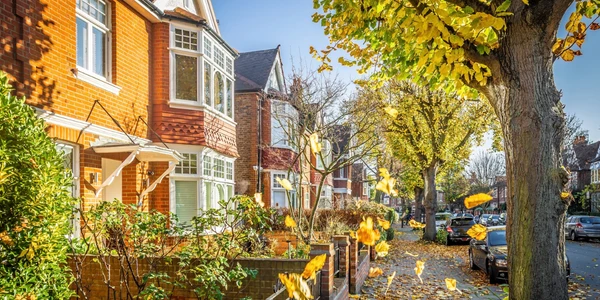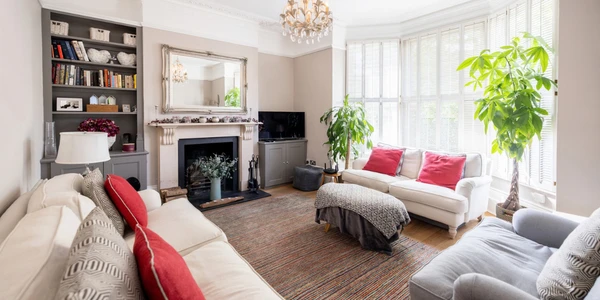
When house hunting in today’s market, you’ll notice something’s changed. Properties now come with talk of smart thermostats, automated doors, security cameras linked to your phone, and systems that supposedly manage energy consumption with AI. The question isn’t anymore whether a home is smart but how smart it is, and whether those features actually justify the asking price.
If you’re buying a property, this matters more than you might think. According to recent data, 78% of buyers now consider smart home features important when making a purchase decision, and 65% are willing to pay more for homes with integrated systems. Yet not all smart features deliver equal value. Some genuinely improve your daily life and protect your investment, while others are expensive window dressing.
Let’s cut through the hype and focus on what actually counts.
Smart access and entry: The convenience revolution
Start with the most visible feature: how you get into your home. Modern properties increasingly come equipped with keyless entry systems, smart locks, and automated garage doors, all designed to make arriving home faster and safer regardless of weather or time of day.
For buyers, the appeal is immediate with no further need to fumble for keys in the rain or dark. There’s no handle to force, and no lock to pick. These aren’t luxuries, they are practical conveniences that also signal security. According to recent smart home innovations, automated access has matured beyond early-adopter tech. It’s becoming standard in new builds and increasingly popular as a retrofit in older homes.
Home improvement research shows that smart access continues to be one of the fastest-growing categories among homeowners prioritising convenience and safety upgrades.
Automated garage doors with remote and keyless systems are a practical example of this trend. You drive directly into your garage without leaving your car, and access is controlled via a secure remote panel rather than traditional locks. No keys to lose, completely secure.
When you’re viewing properties with these systems or considering what they involve, understanding the material options, security specifications, and retrofit requirements helps inform a real assessment. Wessex Garage Doors who specialise in automated door systems offer an explanation on the differences between GRP, steel, and timber options, plus what security standards to look for.
Security and monitoring: Peace of mind that pays
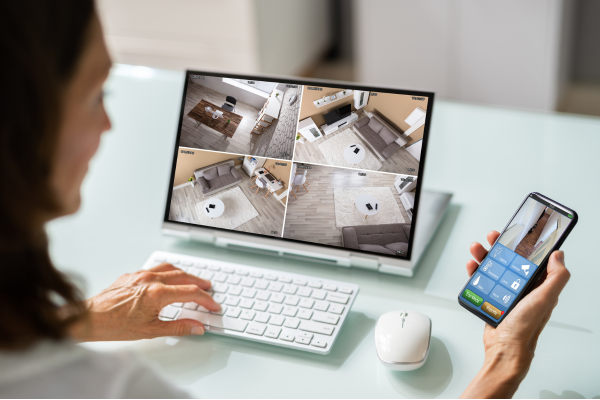
Smart security systems go far beyond basic cameras. Today’s setups integrate doorbell cameras, outdoor surveillance, smart locks, window and door sensors, and motion detection into a single hub you control from your phone.
What matters here is integration. Buyers don’t want five separate apps for five separate systems. They want one unified dashboard showing whether doors are locked, what the cameras captured, and who’s coming and going. Many insurance companies now offer discounts for homes with smart security systems, and with often 5% to 15% off premiums the investment pays for itself faster than you’d expect.
This is one area where the technology has genuinely matured. It’s all about having the right cameras in the right places, connected in a way that feels effortless to use.
Energy efficiency: Where savings become real
Smart thermostats might be the most straightforward smart home investment you can make. A quality smart thermostat learns your schedule, adjusts heating and cooling automatically, and can cut your energy bills by 8% to 20% annually. That’s £200 to £400 a year for many households, which adds up quickly.
Smart lighting and energy monitoring dashboards follow the same logic, putting control and visibility in your hands. Buyers increasingly ask about energy systems during viewings because energy costs are rising, and a home that helps reduce those costs is genuinely attractive.
This is also where environmental consciousness meets practical money-saving. Buyers under the age of 40 especially prioritise energy-efficient homes as both a financial decision and an ethical one.

The reality check: What actually adds value
Here’s what the data says: homes with smart features sell approximately 8.5 days faster than comparable non-smart properties. Around 35% of estate agents report that smart features add £5,000 to £10,000 to a property’s value. That’s meaningful, but it’s not transformative for every home or every feature.
The features that drive value are those that solve real problems like security, energy savings, and convenience. What doesn’t drive value are gadgets that require constant management, systems that rely on unreliable internet connectivity, or devices that add ongoing subscription fees. When you’re evaluating smart features during a property viewing, ask practical questions:
- Is the system easy to use?
- Are there ongoing costs?
- Can everything be controlled from a single app?
- Will the feature genuinely improve your life or is it just an appealing extra?
For sellers: What’s worth the investment?
If you’re selling your property, smart features can help attract buyers and justify a higher asking price, but only if they’re done well. Upgrading to a quality smart thermostat, installing a unified security system, or adding automated access features are investments that consistently appeal to modern buyers.
The challenge for many sellers is knowing which upgrades justify the expense. A guide to home automation investments can help identify which features tend to deliver the best return on investment.
The best upgrades are those that improve daily living, which then happens to improve resale value as a bonus.
Moving forward
Smart homes are very much the here and now, and the conversation has shifted from “should I consider smart features?” to “which ones actually matter to me?”. The key is finding what genuinely works for your lifestyle rather than chasing every trend on the market.
If you’re selling your property and want to understand which modernisation upgrades justify investment, or you’re buying and need guidance on evaluating smart systems, speak to experts who can help you make informed decisions. Our team can advise on what features add real value to your home and which upgrades align with your lifestyle and budget. Get in touch with your local branch or book a free property valuation to explore your options.
This was written by guest blogger, Annie Button.