The shift from winter to spring is a critical time, signalling the end of the cold weather risks and damp weather. Winter is the prime culprit for moisture damage, hidden mould, tired and worn-out carpets, and heating system strain, all of which can jeopardise a rental home. This guide walks you through the all-important deep clean and maintenance tasks that will tackle high-priority areas and keep your property in top condition.
Why winter damage demands rescue
Winter subjects our homes to a perfect storm of damaging conditions, starting with condensation on cold surfaces as windows are kept closed against the chill. Meanwhile, heating systems working overtime and restricted airflow create the perfect breeding ground for mould.
What begins as a small patch of mould or a minor draught around a window frame quickly escalates into expensive repairs if left unchecked for too long. Damp can start to compromise plasterwork, rot timber window frames, and damage electrical installations, not to mention make it harder for landlords to attract quality rental applicants during the spring and summer markets when competition is fierce.

Where to prioritise your cleaning efforts
Carpets, upholstery and air quality
Throughout winter, mud, salt and grit, and moisture get trodden deep into the fibres of carpets and rugs, creating ingrained stains and unpleasant odours that no amount of vacuuming can address. However, the impact of a long winter goes beyond just visible dirt; the combination of sealed windows and constant heating creates an ideal breeding ground for microscopic irritants.
Dust mites are the most allergen-producing organism found in the home, thriving in soft furnishings like carpets and upholstery. Because they are a common trigger for allergies and asthma, a professional deep clean is essential to extract these allergens and eliminate the musty "winter" smell. For those looking to go a step further, Apple Clean provides expert strategies for dust mite control, highlighting how regular maintenance significantly improves indoor air quality and keeps your living environment healthy year-round.
Kitchens
After months of heavy cooking, especially following the Christmas period, the kitchen is likely to demand a thorough cleaning. Baked-on grease, burnt food residue in ovens and grills, and food splashes on walls and in microwaves all make the kitchen look unsightly and also create smoke and unpleasant odours.
Dishwashers require sanitising to eliminate limescale build-up and food debris trapped in filters and spray arms. Similarly, sinks need a deep clean around the base of taps and plug holes, where grime and mineral deposits tend to accumulate. Finally, make sure extractor fans are cleaned thoroughly to remove any grease films that don’t just reduce their effectiveness but also pose a fire risk.
Combatting mould and moisture
Hidden moisture is common at this time of year, especially when external walls meet warm indoor air. Check behind furniture like wardrobes and chests of drawers which tend to harbour mould, as well as under sinks where slow leaks or condensation from pipes can create damp conditions. Circulation can also be weak in kitchen and bathroom cupboards, resulting in mould and damp, so these should be addressed too.
There’s a crucial distinction between addressing the cause and simply cleaning the surface growth. While spraying mould with a fungicidal wash will provide a temporary solution, if the ventilation or insulation remains inadequate, the problem will arise again, sometimes even within a few weeks. To properly tackle the problem, improve the ventilation with trickle vents in windows, extractor fans in kitchens and bathrooms, and installing additional mechanical ventilation in particularly stubborn areas.
Sealing and insulation are your second defence against moisture. Inspect window and door seals carefully to identify any gaps or broken rubber that might be allowing cold air to penetrate. These defects make the interior of the property cold and allow condensation to form, so replacing broken seals now will make for a more energy-efficient and comfortable home year-round.
Essential system checks
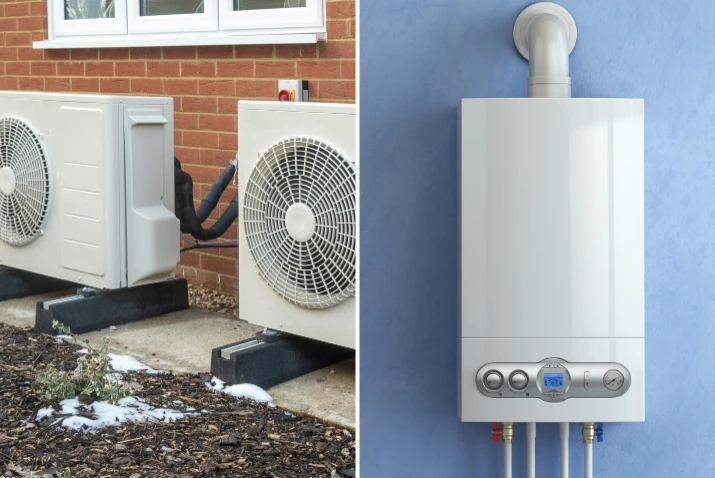
Over the winter, our heating systems and plumbing are put through a lot, so maintenance checks are wise. Schedule an annual gas safety check well in advance, to make sure the heating system operates efficiently after working hard throughout winter.
GreenMatch, a quote comparison site for green energy solutions, explains that “the cost to fit a new boiler can range from £1,500 to £3,500, with the average life being around 15 years. But regularly calling an engineer to service can extend that time to upwards of 20 years, getting you better value for money for your initial investment.” A professional service prevents any surprise breakdowns and costly emergency repairs.
Lastly, in the winter, guttering and drains can fill up with moss, leaves and silt that blocks the water flow. This results in overflow that can saturate masonry and even find entry points around windows and doors that lead to dampness. Check these areas in the new year and clear them so the water can flow freely to prevent any problems with damp and keep the building structure solid.
Every minute invested in post-winter property maintenance delivers measurable returns through stronger rental values, fewer costly repairs, and a healthier indoor environment for occupants. Properties that emerge into the spring market looking tired or neglecting essential hygiene risk being overlooked. In contrast, well-presented homes that have been thoroughly reset, from the heating system to the carpets, consistently attract higher interest and secure quality residents far more quickly.
If you're looking to let your property, we can help. Get in touch with your local branch for more information.
This guest post was written by Annie Button.